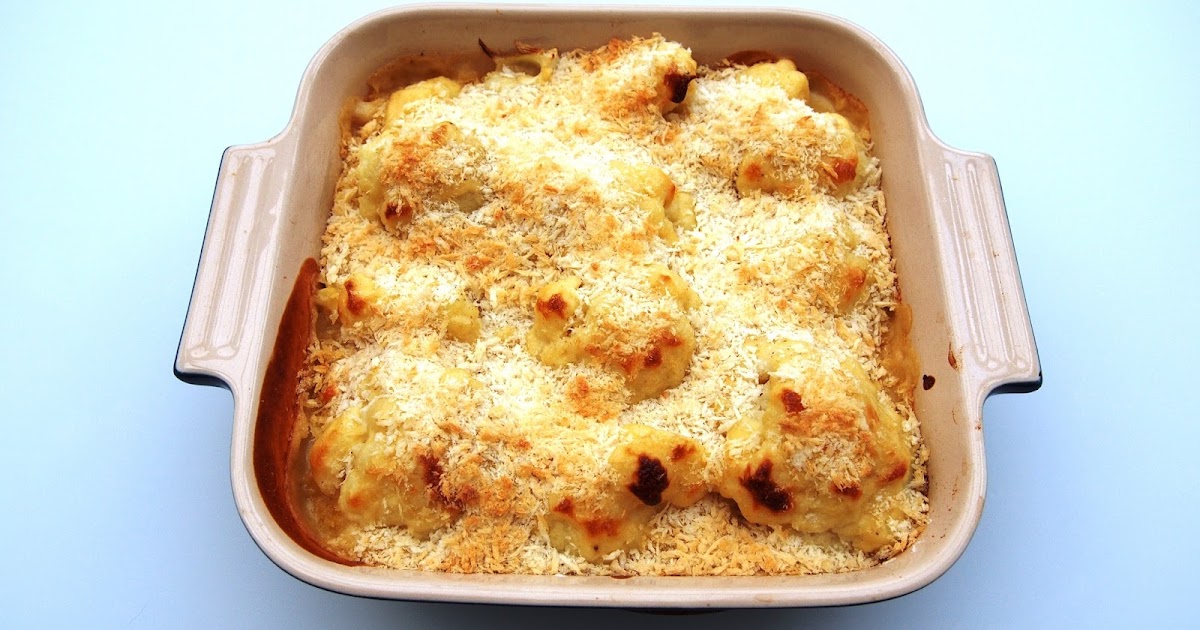
Mastering Cheesy Cauliflower: A Delicious Dive into Roux vs. Bechamel-Free Approaches
Few dishes evoke such universal comfort and satisfaction as a perfectly prepared plate of cheesy cauliflower. Whether served as a hearty side dish or a comforting main, this versatile vegetable, coated in a rich, savory cheese sauce, has earned its place on dinner tables worldwide. But when it comes to crafting that ideal cheesy embrace, home cooks often find themselves at a culinary crossroads: do you opt for the classic, indulgent roux-based bechamel, or venture into a lighter, bechamel-free method designed to let the cheese truly shine?
This article delves deep into both philosophies, comparing their techniques, flavor profiles, and the unique delights they bring to your cheesy cauliflower. Prepare to elevate your understanding and mastery of this beloved dish!
The Timeless Appeal of Cheesy Cauliflower
Before we dissect the methods, let's acknowledge why cheesy cauliflower remains a perennial favorite. Beyond its undeniable deliciousness, cauliflower itself is a nutritional powerhouse. This cruciferous vegetable is packed with fiber, essential vitamins (including a day's worth of Vitamin C in just one serving!), and cancer-fighting goodness. It's a fantastic, family-friendly way to get more vegetables into your diet, often appealing even to the pickiest eaters thanks to its mild flavor and creamy accompaniment, frequently compared to beloved macaroni & cheese.
From simple weeknight dinners to elegant gratinées, cheesy cauliflower adapts effortlessly, proving that healthy can indeed be incredibly tasty.
Method 1: The Classic Roux-Based Bechamel for Ultimate Creaminess
For those who crave the luxurious, silken texture of a classic cheese sauce, the roux-based bechamel method is the gold standard. This approach delivers a wonderfully smooth, creamy, and stable sauce that coats every floret beautifully, making for a truly indulgent experience.
Crafting the Perfect Bechamel: A Step-by-Step Guide
The foundation of this method is the bechamel sauce, a French mother sauce made from a roux (butter and flour) and milk. Here’s how it typically unfolds:
- Roasting the Cauliflower: Begin by preheating your oven to a higher temperature, typically 400-425°F (200-220°C). Cut two heads of cauliflower into bite-sized florets, toss them with a generous drizzle of olive oil, and spread them out on baking sheets, ensuring they don't touch. Roasting rather than steaming or boiling brings out the cauliflower's natural sweetness and nutty flavor, allowing for slight caramelization and a superior texture. Roast for about 20 minutes until tender-crisp and lightly browned.
- Preparing the Roux: While the cauliflower roasts, prepare your cheese. For the smoothest, creamiest sauce, it’s highly recommended to shred your own cheddar cheese from a block rather than using pre-shredded varieties, which often contain anti-caking agents that can hinder melting. In a saucepan over medium heat, melt a generous knob of butter. Once melted, whisk in an equal amount of all-purpose flour to form a thick paste – this is your roux. Cook the roux for 1-2 minutes, stirring constantly, to cook out the raw flour taste.
- Building the Sauce: Slowly, while continuously whisking, pour in milk (1% or whole milk works well, depending on your desired richness). Continue whisking for about 2 minutes as the sauce comes to a gentle bubble and begins to thicken. It should be smooth and lump-free.
- Adding the Cheese and Seasonings: Remove the saucepan from the heat to prevent the cheese from seizing or becoming stringy. Stir in the shredded cheddar cheese until completely melted and smooth. Now, it’s time to personalize! Incorporate garlic powder, onion powder, and black pepper. For a subtle kick, a pinch of cayenne pepper, crushed red pepper, or even some diced jalapeños can be added.
- Combining and Baking: Reduce the oven temperature to 350°F (175°C). In a large mixing bowl, gently combine the roasted cauliflower florets with the luscious cheese sauce. Transfer the mixture to a 2-quart casserole dish. For an extra layer of flavor and a beautiful golden crust, sprinkle the top with grated Parmesan cheese. Bake for approximately 10 minutes, or until bubbling and lightly browned.
Garnish with fresh parsley or sliced green onions for a touch of color and freshness. This method guarantees a comforting, creamy cheesy cauliflower bake that’s a true family pleaser.
Method 2: Embracing a Bechamel-Free Approach for Intense Cheese Flavor
While the classic bechamel is undeniably delicious, some culinary enthusiasts argue that the roux and milk can sometimes mask the nuanced flavors of fine cheeses. For those who prioritize an unadulterated, bold cheese taste, a bechamel-free approach offers a lighter, yet intensely flavorful, alternative.
Unleashing Unadulterated Cheese Flavor
The core philosophy here is to create a cheese sauce where the cheese itself is the star, melted directly with minimal liquid to enhance its natural qualities. This often results in a more robust, concentrated cheese experience.
- Cheese Selection is Key: With less "filler," your cheese choices become paramount. The Food52 approach, for instance, advocates for a blend of semi-soft and hard cheeses. Think Gruyère, Fontina, or sharp cheddar for their melting properties and rich flavor, paired with Parmesan or Pecorino Romano for a salty, nutty depth. These cheeses melt beautifully and contribute complex notes that wouldn't get lost in a thick roux.
- Strategic Liquid Choices: Instead of milk, a small amount of carefully chosen liquid helps to emulsify the cheese and create a silky sauce without dulling its flavor. While some might use beer for its malty notes, a dry white wine (like Sauvignon Blanc or Pinot Grigio) is an excellent choice. Its acidity helps the cheese melt smoothly and adds a subtle, sophisticated depth that complements aged cheeses beautifully. The alcohol cooks off, leaving behind a wonderful aromatic complexity in the background.
Elevating with Umami and Aromatics
Since this method is lighter, thoughtful additions can introduce layers of flavor that create a truly gourmet experience:
- Umami Boosters: To give the cheesy cauliflower a "meaty" or deeply savory dimension without adding actual meat, a tiny amount of truffle oil can work wonders, imparting an earthy, luxurious aroma. If truffle oil isn't on hand or preferred, a splash of Worcestershire sauce offers a similar umami punch, adding complexity and richness.
- Aromatics: Don't shy away from sautéing aromatics like minced garlic or shallots in a little olive oil before adding your chosen liquid and cheeses. This builds a foundational layer of flavor that elevates the entire dish.
The result of this bechamel-free method is often a more intensely flavored cheesy cauliflower gratin, where the nuances of your chosen cheeses are front and center, complemented by subtle background notes.
Beyond the Basics: Tips for Mastering Your Cheesy Cauliflower
Regardless of whether you choose the classic roux or the adventurous bechamel-free route, these additional insights will help you achieve cheesy cauliflower perfection every time:
- Cheese Blending: Experiment with different cheese combinations. A blend often yields a more complex flavor profile than a single cheese. Consider cheddar for sharpness, Gruyère for nuttiness, Monterey Jack for meltability, and a touch of Parmesan for salty depth.
- Roasting for Flavor and Texture: Always roast your cauliflower. The Maillard reaction creates incredible depth of flavor and a slightly firmer texture that holds up well against the rich sauce. For an extra crispy cheesy roasted cauliflower, consider broiling for the last few minutes or adding a topping of breadcrumbs tossed in butter before the final bake.
- Seasoning is Crucial: Don't forget salt and pepper! Taste your sauce before combining it with the cauliflower and adjust seasonings as needed. A pinch of nutmeg can also enhance the flavor of a bechamel-based cheese sauce beautifully.
- Spice it Up: Don't limit yourself to traditional seasonings. A dash of smoked paprika, a pinch of mustard powder, or even a touch of your favorite hot sauce can add exciting dimensions to your cheese sauce.
- Serving Suggestions: Cheesy cauliflower is a star side dish, pairing wonderfully with roasted chicken, beef, or pork. It can also stand alone as a light vegetarian meal, perhaps served alongside a fresh green salad or other roasted vegetables like Brussels sprouts.
Conclusion
Whether your palate yearns for the nostalgic comfort of a creamy, roux-based bechamel or the bold, unmasked intensity of a bechamel-free cheese sauce, mastering cheesy cauliflower is a culinary journey well worth taking. Each method offers a unique pathway to deliciousness, allowing you to tailor this versatile dish to your preferences, dietary needs, or even the cheeses you have on hand. So, preheat your oven, grab your whisk, and start experimenting. Your perfect cheesy cauliflower awaits!
